Gravel Driveway Ideas: Styles, Edging & Design Options for Any Property
1. Choose a layout that matches how you use the property

A gravel driveway does more than connect the road to the garage. A thoughtful layout can improve drainage, protect mature trees, create a better first impression, and make the property easier to use. Good ideas start with your land, traffic, slope, and routine, not a photo online.
At All Seasons Excavating and Landscape, driveway and trail projects begin with a look at the terrain, soil, intended use, and water flow. That site-first approach helps match the layout and materials to the property. It also gives you a better starting point than choosing a shape first and trying to force it onto the land.
1. Choose a layout that matches how you use the property
Straight driveways keep the route simple
A straight driveway works well when the house sits close to the road and the lot has few grade changes. A straight layout uses less gravel than a long curve and can make snow removal easier.
Curved driveways follow the land
A gentle curve can make a long entrance feel natural on acreage. It can also follow a slope instead of cutting straight across it. Keep sightlines open near the road and leave room for trailers and equipment.
Circular drives help with arrivals and departures
A circular or loop driveway is useful when several vehicles visit the property, deliveries are common, or guests need to turn around without backing into the road. The loop does not need to be oversized. Its shape should fit the house, parking needs, and available space while leaving room for a stable center area or landscape feature.
Pro Tip: Sketch the route with the largest vehicle that will use it. A pickup and trailer, delivery truck, or equipment hauler may need a wider turn than a passenger car.
2. Use edging to give gravel a finished look
Brick or stone borders define the drive
Brick, fieldstone, or another durable border can keep gravel from spreading into lawn beds and make the entrance look intentional. A border is most useful where vehicles turn, beside a walkway, or next to a planted area. It should fit the drainage plan rather than trap water.
Steel or timber edges fit a simpler style
Low steel edging can create a clean line on a modern property. Timber can work well around a wooded or rustic setting, though it needs to fit the site and expected wear. The edge should be strong enough for the location. A decorative border beside a turn may not hold up if tires regularly climb over it.
Keep the shoulder usable
A gravel shoulder gives drivers room to correct their position and makes future grading easier. It should blend into the surrounding ground instead of creating a sharp lip that redirects water.
The Federal Highway Administration’s Gravel Roads Construction and Maintenance Guide explains why road shape, crown, shoulders, and drainage work together. Those same ideas matter on a private gravel driveway, even when the project is much smaller than a public road.
3. Let drainage shape the design
Add a French drain where water crosses the route
A French drain or similar drainage feature can help move water away from a low section, hillside, or driveway entrance. The right placement depends on where water starts, where it naturally wants to go, and whether the outlet can release it safely. A drain placed without an outlet can move the problem instead of solving it.
Use a crown on longer stretches
A slight crown sheds water toward the shoulders instead of allowing it to sit in the wheel paths. On a sloped property, the design may also need a ditch, culvert, or cross-drain to keep runoff from traveling down the drive. The finished shape should work with the land’s natural fall and local site conditions.
Protect nearby soil and waterways
Runoff from a new driveway can carry sediment into a ditch, creek, or pond. The USDA Natural Resources Conservation Service guide on soil risks and hazards describes how exposed soil and construction runoff can affect drainageways. A driveway plan should address disturbed soil and water flow before gravel is placed.
Did You Know? The prettiest driveway layout can fail if water has no safe route off the surface. Drainage is part of the design, not a repair added after the first storm.
4. Build the entrance around the property’s character
Create a welcoming gate entrance
A gate can frame a rural property and add control at the road. Leave enough space for a vehicle to pull fully off the road before stopping. If the gate is part of the plan, consider its swing, visibility, snow storage, trailer access, and space for future widening.
Preserve mature trees with a careful route
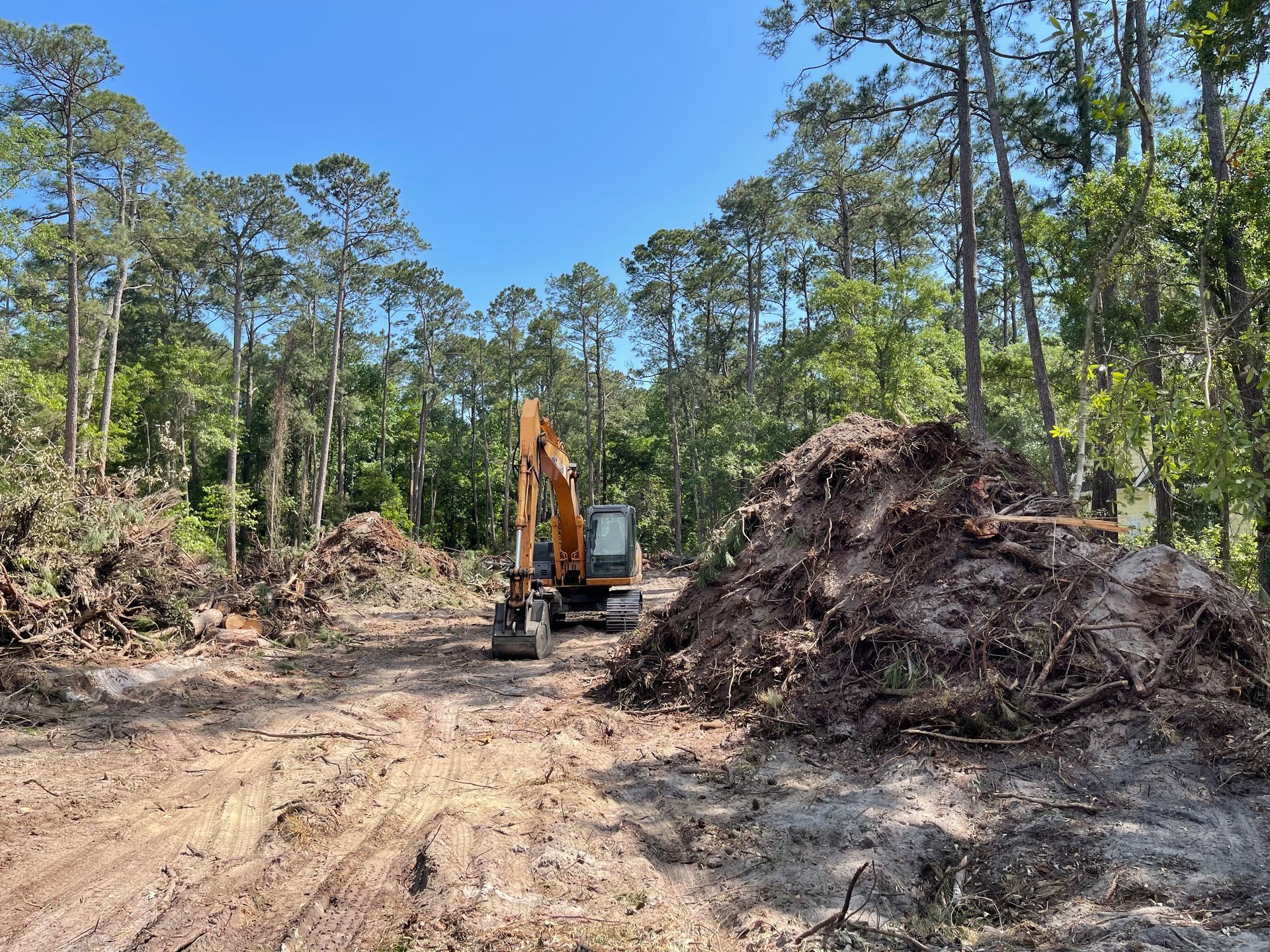
A driveway does not have to run through the middle of a wooded area. A route that bends around mature trees can protect shade and give the entrance more character. The tradeoff is that roots, slope, and sightlines need close attention. If clearing is needed for the route, the land clearing service page explains how the scope can vary by vegetation and intended use.
Separate daily traffic from work traffic
A home entrance may need a different design from a farm access trail or contractor entrance. If heavy equipment, livestock trailers, or commercial vehicles will use the route, plan for those loads from the beginning. A narrow decorative drive may look right but perform poorly under repeated heavy traffic.
5. Match the gravel driveway to the project, not just the photo
Gravel color and texture affect the look, but the base, grading, drainage, compaction, and traffic plan affect how the driveway performs. A bright stone may look attractive near a house, while a tougher aggregate may make more sense for a long access route. The right selection depends on local availability, soil, slope, vehicle weight, and the finish you want.
The All Seasons trail and driveway construction service includes site evaluation, path shaping, grading, aggregate installation, compaction, and final cleanup. A professional layout should be planned as a system, not as stone spread over existing ground.
Pro Tip: Before requesting a quote, mark the house, road, parking area, gates, trees to keep, low spots, and places where water collects. A simple sketch can make the site conversation more productive.
Which gravel driveway idea is best for your property?
The best design is the one that supports your daily use and works with the land. A straight drive may fit a compact lot. A curve or loop may suit acreage. Edging can sharpen the appearance, while a French drain, crown, ditch, or culvert may be needed to manage water. Heavy traffic may call for a stronger base and a wider route than a residential entrance.
Is a circular driveway worth the space?
A circular driveway can be useful when vehicles need to turn around, deliveries are frequent, or the entrance should serve several parking areas. It may not be a good fit for a small or steep property. The layout should be checked against available space, drainage, tree preservation, and the turning needs of the largest vehicle.
What edging works best for a gravel driveway?
Brick, stone, steel, and timber can all work when matched to the site and traffic. The best choice depends on the desired look, budget, soil movement, and whether vehicles may cross the edge. Edging should guide gravel and define the route without blocking planned drainage.
How do I keep water from washing out a gravel driveway?
Start with a stable base, proper grading, a usable crown, and a safe route for runoff. Low areas may need a ditch, culvert, or French drain. The right fix depends on the source and path of the water, so a site review is better than adding gravel after every storm.
Can a gravel driveway curve around trees?
Yes, a curved route can preserve selected trees and fit the natural shape of the property. The route still needs adequate sight distance, turning space, and room for equipment. Roots, slope, and drainage should be reviewed before the final alignment is chosen.
Plan a gravel driveway that works from the road to the house
Good gravel driveway design balances appearance, access, drainage, and long-term use. Start with the vehicles that will use the route, then look at grade, soil, water flow, trees, gates, parking, and maintenance access. That process usually produces a better result than choosing a shape from a picture and adjusting the land around it.
If you are planning a new driveway, trail, or entrance in the Auburn, Kansas area, contact All Seasons Excavating and Landscape for a free estimate. The team can review your property and help build a route that fits the land and the way you plan to use it.
Related Posts