What Is Land Clearing? A Complete Overview for Homeowners and Developers
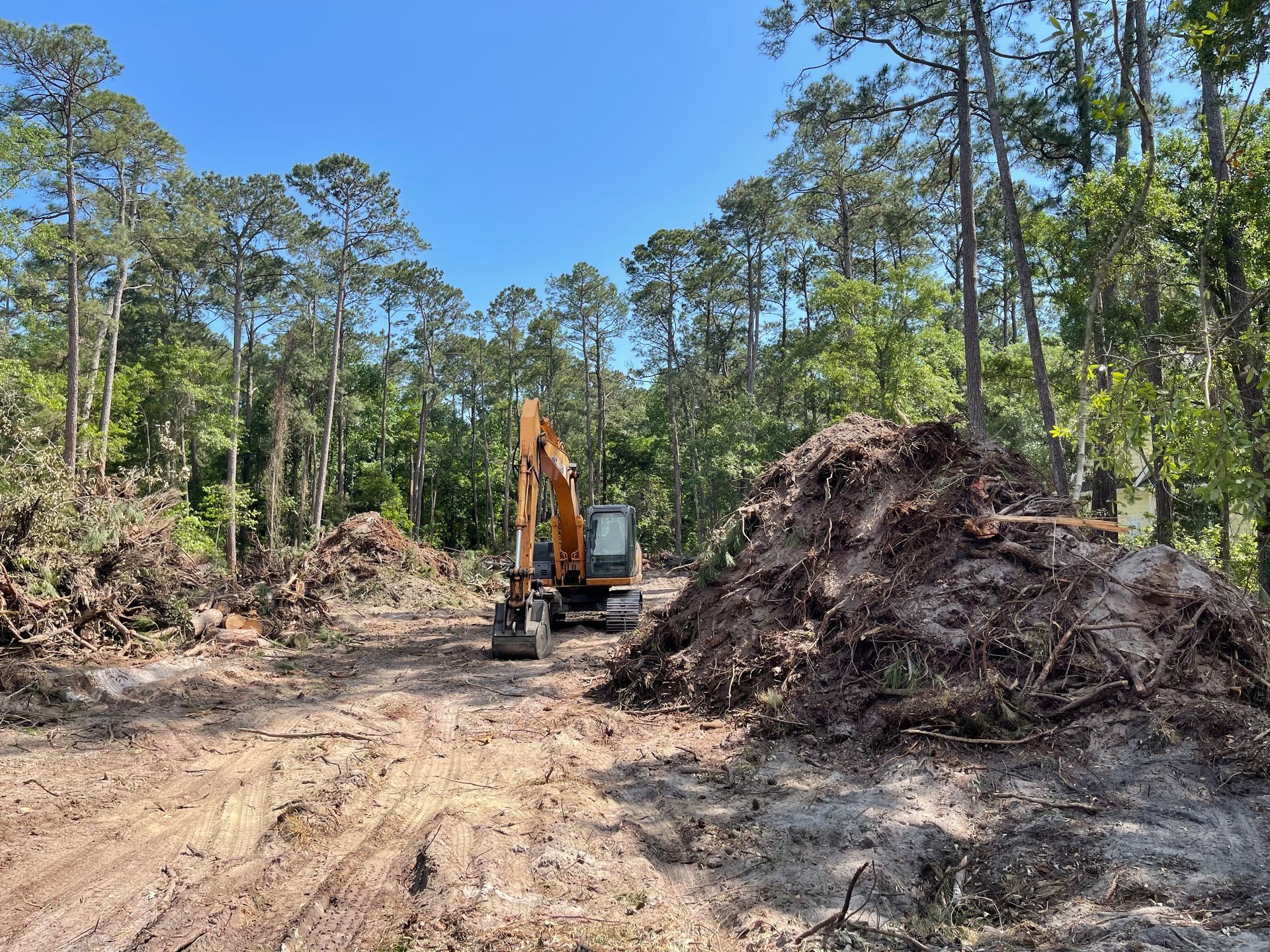
The body content of your post goes here. To edit this text, click on it and delete this default text and start typing your own or paste your own from a different source.Land clearing is the process of removing trees, brush, stumps, rocks, and other vegetation from a property to make it usable for construction, farming, landscaping, or improved land management. It's not lawn care or routine maintenance — it's a full reset of the land's surface, and often what's below it, so the site is ready for whatever comes next.
If you've bought raw land in Kansas and aren't sure what clearing actually involves or whether you need it, this guide covers the full picture: what's included in a proper clearing job, who typically needs it, how the process works from start to finish, and what separates a thorough job from one that creates problems later.
What Does Land Clearing Include?
The scope of a clearing project depends on what's on the land and what it's being prepared for, but a complete job typically covers all of the following:
Vegetation removal — trees, brush, shrubs, and any standing plant material on the property. This includes both cutting at grade and removing root systems where required.
Stump grinding or extraction — stumps left at or just below grade cause serious problems for grading, construction, and drainage. A complete clearing job addresses stumps, not just what's visible above ground.
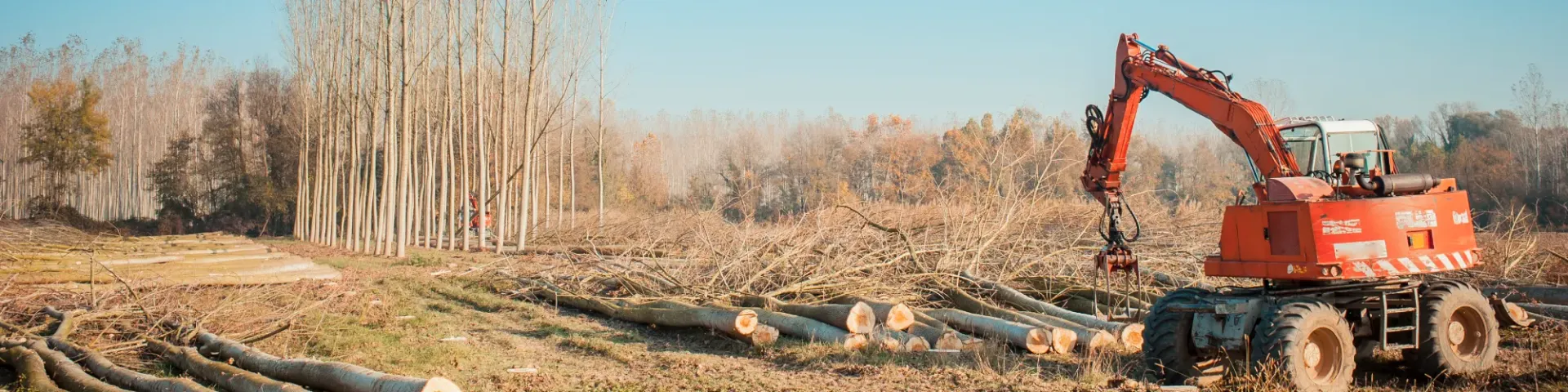
Debris disposal — cut material has to go somewhere. Depending on the method used, debris is either mulched on-site, piled for burning where county regulations allow, or hauled off-site to a disposal facility.
Rough grading — not always included in a base clearing quote, but many projects need at least basic grading after clearing to level the surface and manage drainage before construction begins.
Did You Know? Many property owners are surprised to find that "land clearing" and "grading" are two separate line items on a contractor quote. Clearing removes what's on the surface; grading shapes the ground itself. Both are often needed before construction can begin.
Who Needs Land Clearing?
Land clearing comes up across a wide range of property situations. The most common in Kansas include:
Homeowners building on raw land. If you've purchased a wooded or overgrown lot and plan to build a home, the land has to be cleared and graded before a foundation crew can work. This is the most common residential use case, and the one where incomplete clearing causes the most downstream problems.
Farmers and ranchers expanding pasture or crop land. Agricultural clearing converts wooded or brushy acreage into productive farmland or grazing pasture. The method often differs from construction prep — forestry mulching is frequently preferred because it preserves topsoil and eliminates the need for debris hauling.
Property owners managing overgrowth. Land that's been left unmanaged for years collects invasive brush, downed trees, and dense undergrowth that reduces usability and can become a fire or pest hazard. Clearing reclaims that land without necessarily preparing it for construction.
Developers and contractors. Commercial and subdivision development projects require large-scale clearing and grading before any site work begins. These jobs typically involve a combination of methods and tight coordination with grading and excavation crews.
Pro Tip: If you're buying raw land with plans to build, always factor clearing costs into your purchase budget before closing. A parcel that looks affordable can carry $10,000 to $40,000 or more in clearing costs depending on vegetation density and acreage — expenses that don't show up in the listing price.
How the Land Clearing Process Works
Most professional clearing jobs follow the same basic sequence, regardless of project size.
Site assessment and permit check. Before any equipment arrives, a contractor walks the property to evaluate vegetation density, terrain, access points, and what the land is being prepared for. Permit requirements are checked at the county level — in Kansas, construction-related clearing often requires a land disturbance or grading permit depending on acreage and location. Our complete land clearing guide covers Kansas permit basics in more detail.
Equipment selection. The right machine depends on the job. Forestry mulchers handle light to moderate vegetation efficiently in a single pass. Bulldozers and excavators are better for heavy timber, large stumps, and sites that need a completely bare surface for construction. Many jobs use a combination of both. A full breakdown of which equipment fits which scenario lives on our land clearing service page.
Vegetation removal. Clearing proceeds from the largest material down — large trees first, then mid-size material, then brush and undergrowth. On construction sites, the goal is a completely clean surface. On agricultural or pasture jobs, selective clearing is sometimes preferred to preserve certain trees or natural features.
Stump and root removal. This is where incomplete clearing jobs most often cut corners. Stumps ground to grade or just below it are fine for pasture and landscaping use. Construction sites, however, need deeper extraction in areas where foundations, footings, or underground utilities will be installed — otherwise roots continue to decompose underground and cause settlement issues.
Debris management. For forestry mulching jobs, debris stays on-site as ground cover — no hauling required. For traditional mechanical clearing, debris is piled and either burned or hauled off. The disposal method is one of the bigger cost variables on any clearing project, and it's worth confirming upfront what a contractor's quote includes. For properties that will go straight from clearing into site prep, excavation and grading typically follow as the next phase.
Did You Know? According to SafetyCulture's land clearing operations guide, land clearing is not considered part of regular land maintenance — it's a site preparation step that typically happens once before a significant change in land use, not on an ongoing basis.
What Separates a Good Clearing Job From a Bad One
The most common failure we see on properties that have been previously cleared by another company: stumps left just below grade, root systems left intact in areas that later need grading or foundation work, and debris that was piled rather than hauled or mulched — leaving the property owner to deal with the pile.
A complete clearing job leaves the site ready for the next phase of work without creating problems that show up later. That means stumps addressed to the depth the project actually requires, debris fully managed rather than pushed to a corner of the property, and a surface that a grading crew or builder can work with immediately.
Land clearing is the first step in almost every land development or improvement project — and getting it done right the first time is almost always cheaper than fixing what a rushed or incomplete job leaves behind. As HomeGuide's 2026 land clearing cost guide notes, the total cost of clearing rises significantly when stump removal, grading, and debris hauling aren't addressed upfront.
Ready to find out what your property actually needs? Contact All Seasons Excavating & Landscape for a free site estimate. We walk every property before giving a number — so you know exactly what the job includes before any equipment shows up.
Frequently Asked Questions
What is land clearing?
Land clearing is the process of removing trees, brush, stumps, and other vegetation from a property to prepare it for construction, farming, or improved land use. It typically includes vegetation removal, stump grinding, and debris disposal — and is separate from routine lawn care or maintenance.
What does land clearing include?
A complete clearing job covers vegetation removal, stump grinding or extraction, and debris disposal. Many projects also include rough grading after clearing to level the surface and manage drainage before the next phase of work begins.
Who needs land clearing?
Anyone preparing raw or overgrown land for a new use — homebuilders, farmers expanding pasture, property owners managing overgrowth, and developers prepping sites for construction. If the land has vegetation that prevents building or productive use, clearing is the first step.
How long does land clearing take?
Most residential lots take one to three days for light to moderate vegetation. Heavily wooded acreage or larger parcels can take a week or more depending on tree density, terrain, and the clearing method used.
Is land clearing the same as grading?
No. Clearing removes vegetation and surface obstacles. Grading shapes the ground's surface for drainage and construction. Both are often needed in sequence, but they're separate scopes of work with separate costs.
Related Posts